Tuesday 22 September
Good afternoon
Search clients and requests New request
Ready for you
2complete sets of documents waiting to be processed
Open the first one7 documents in this week
Closing within 3 days1
Partly in1
Open requests3
Where things stand
All Ready Partly in Nothing in Closing soonAll in · today 15:46
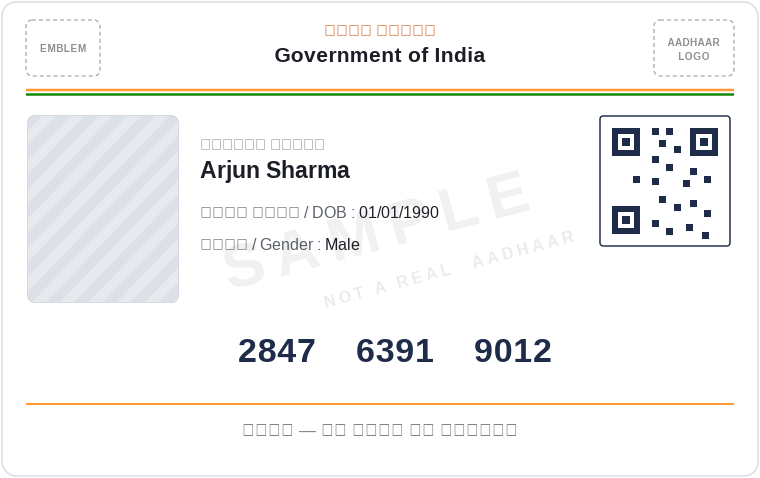
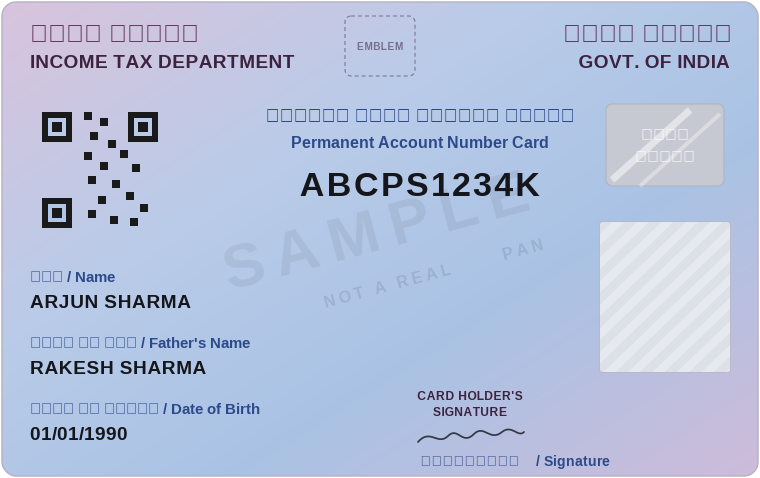
KYC documentsRajesh Kumar · rajeshnipenderkumar@example.com
3 of 3 in · ready to process
Partly in · 4 days left
KYC documentsAmit Patel · amitpatel@example.com
1 of 3 in
Closing in 2 days
KYC documentsSuresh Iyer · sureshiyer@example.com
Nothing in yet · 3 documents
All in · yesterday
KYC documentsFatima Shaikh · fatimashaikh@example.com
3 of 3 in · ready to process
Nothing in yet · 9 days left
KYC documentsPriya Nair · priyanair@example.com
Nothing in yet · 3 documents
What's been happening
See allAll documents received · Rajesh Kumar · KYC documents15:46
Consent recorded · Rajesh Kumar · KYC documents15:43
Link sent on WhatsApp · Priya Nair · KYC documents13:20
Documents received (some items still pending) · Amit Patel · KYC documents12:08
All documents received · Fatima Shaikh · KYC documentsYesterday
Documents in
This week · 7 arrivedMTWTFSS